
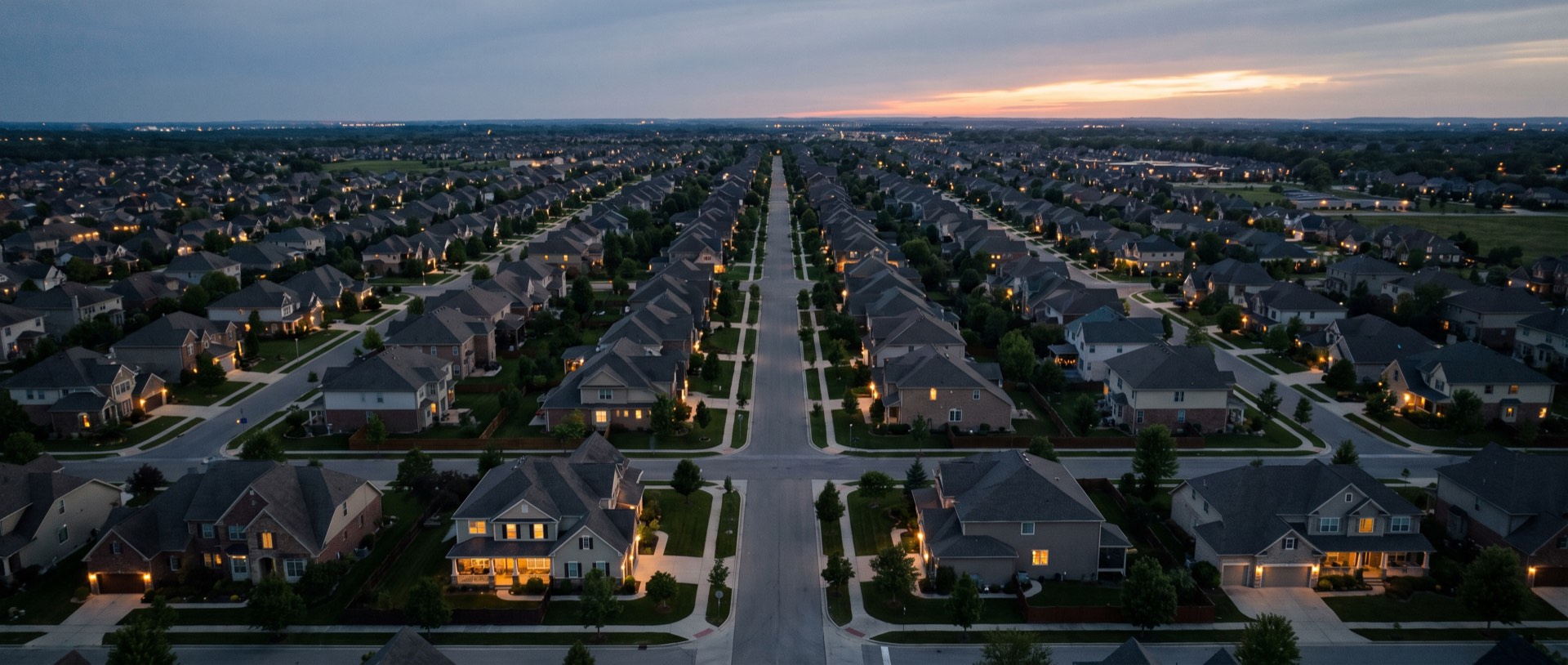
The Risk of Ignoring the November Temperature Drop
At Real Time Marketing, our team consistently finds that before the first frost arrives, adjusting HVAC ad spend for late fall weather is the most critical decision a home service business owner will make all season. Late fall is a notoriously unpredictable time for the industry. The transition toward winter is rarely smooth, and consumer demand fluctuates wildly from week to week. In our experience managing HVAC campaigns, if your strategy relies on rigid, calendar-based ad scheduling, simply setting a budget on November 1st and letting it run; you are likely wasting valuable resources on unseasonably warm days when cooling demand has dropped but peak winter heating demand has not yet stabilized.
To stop wasting budget and start capturing high-intent leads, you need specialized PPC marketing services from one of the best HVAC marketing companies that understands how to adapt instantly to local conditions.
The geographic reality: While late fall weather varies drastically nationwide: from mild, lingering autumn afternoons in the South to sudden, early snowfalls in the Midwest, every single market experiences a critical first cold snap that triggers massive consumer urgency. Homeowners who have ignored their aging furnaces all year will suddenly flood the market looking for immediate repairs to ensure holiday-season home prep and heating reliability. If your ad budget was already depleted during the mild weeks prior, your business will be invisible exactly when local search volume peaks.
The operations-driven approach: The most successful home service marketing strategies we deploy do not treat digital advertising as a "set and forget" campaign. Instead, they utilize an operations-driven marketing approach. This means treating your ad spend as responsive infrastructure that adapts instantly to weather patterns and your actual dispatch capacity. By anticipating November temperature drops and aligning your digital presence with real-time operational data, you protect your bottom line from the risks of a static marketing calendar.
- Wasted spend on mild days: Running aggressive heating campaigns when the weather is still 65 degrees drains your budget on clicks from curious browsers rather than desperate buyers.
- Lost visibility during the freeze: Depleting your budget early in the month means your Google Local Services Ads (LSA) might pause just as the first major freeze hits.
- Misaligned messaging: Serving cooling or generic maintenance ads when homeowners are actively searching for emergency heating repair creates a disconnect that lowers conversion rates.
Tracking the Shift in Consumer Search Intent
Consumer search behavior does not follow a strict calendar; it follows the thermostat on the wall. In our years of managing accounts at Real Time Marketing, we've analyzed search data across diverse regions: from our local service area in Bradenton, FL, to markets nationwide, and a distinct pattern emerges every autumn. There is a specific, measurable window where search queries pivot sharply. We see a clear transitioning from cooling to heating search intent, and this shift happens rapidly. Homeowners stop looking for AC repairs and suddenly start searching for furnace tune-ups, heat pump replacements, and emergency heating services.
Failing to capture this transition period means losing market share to competitors who dynamically adjust their campaigns. Analyzing historical and real-time local search data allows for precise timing, especially when it comes to pausing HVAC campaigns during unseasonable weather. You must know exactly when to pull back and when to push forward.
| Search Intent Phase | Consumer Behavior | Marketing Action Required |
|---|---|---|
| The Cooling Drop-Off | AC searches plummet as temperatures dip below 75 degrees. | Scale down cooling-focused keywords and shift budget to general maintenance. |
| The Dead Zone | Mild weather results in low urgency for both heating and cooling. | Conserve ad budget, pause aggressive campaigns, and optimize profiles. |
| The Heating Surge | The first major local freeze creates immediate, high-intent emergency searches. | Deploy conserved budget aggressively into Google LSA and PMax heating campaigns. |
Identifying the 'Dead Zone' Before the Freeze
A pattern we see often is that the most dangerous time for an HVAC marketing budget is the "Dead Zone", those mild weeks where neither heating nor cooling intent is strong. Homeowners are comfortable, their systems are largely sitting idle, and they are not motivated to schedule repairs. Recognizing this period is vital for preserving your resources.
Conserve your budget: During the Dead Zone, aggressively pulling back your ad spend is a strategic necessity. Every dollar saved during a mild 60-degree week is a dollar that can be deployed to dominate the top of the search results when the temperature drops to 30 degrees.
Optimize your assets: Use this quiet period to prepare your campaigns for the upcoming surge. This is the time to update your Google Business Profile, refresh the ad copy in your Google Performance Max campaigns to highlight pre-winter readiness, and ensure your Google LSA profile is fully optimized with current technician photos and updated service areas.
Adjusting HVAC Ad Spend for Late Fall Weather via Google LSA
Google Local Services Ads (LSA) are highly responsive to budget adjustments and demand surges, making them arguably the most powerful tool in your digital arsenal during late fall. Because you pay per lead rather than per click, Google LSA is designed to connect you directly with homeowners who need immediate help. However, maximizing this platform requires a deep understanding of how the Google LSA ecosystem functions.
Scaling Google LSA budgets dynamically requires shifting ad spend to heating season at the exact moment local temperatures plummet. The timing of this Google LSA budget shift must be hyper-localized to your specific service area's climate data. A blanket national strategy fails because a freeze in the Northeast happens weeks before a similar temperature drop in the South. You must monitor your specific local weather forecasts and adjust your Google LSA budget caps accordingly.
Through Real Time Marketing's direct collaboration with Google's LSA product team, we have gained insider-informed insights into how these algorithms prioritize advertisers. We know that strategic collaboration with the platform ensures your campaigns are structured to capture high-intent emergency calls rather than low-converting browsing traffic. The algorithm favors businesses that are responsive, actively managed, and aligned with local demand.
Why Agility Outperforms Static Budgets
Setting a static monthly budget for your Google Local Services Ads in November is a recipe for missed opportunities. When you spread your spend evenly across 30 days, you dilute your financial firepower.
- Static budgets spread spend too thin: If you allocate the same amount of money to a mild Tuesday as you do to a freezing Saturday, you will run out of budget precisely when demand is highest.
- Agile budgets concentrate firepower: An agile approach allows you to hoard your budget during the Dead Zone and unleash it during high-conversion weather events, ensuring you outbid competitors for the most valuable leads.
- Algorithmic advantages: The Google LSA algorithm favors advertisers who actively manage their responsiveness and budget caps. By dynamically adjusting your settings based on weather and capacity, you signal to Google that you are a reliable, active provider, which can improve your overall ranking in the local pack.
Aligning PMax Campaigns With Dispatch Capacity
Generating leads is only profitable if your dispatch team has the capacity to fulfill them. This is the core philosophy behind the operations-driven marketing approach we champion at Real Time Marketing: your ad spend must function as a direct extension of your dispatch board. Google Performance Max (PMax) campaigns, which serve ads across Google's entire network, must be calibrated not just to the weather, but to real-time technician availability.
When the transitioning from cooling to heating search intent hits its peak during a cold snap, your phone lines will light up. If a sudden freeze fills your dispatch board for three days straight, your ad spend should be throttled immediately. Continuing to run aggressive PMax campaigns when you have no available technicians means you are paying for leads you cannot service.
This alignment prevents negative customer experiences. If a homeowner clicks your ad, calls your office with a broken furnace, and is told you cannot help them until next week, they will likely leave a negative review on your Google Business Profile. Protecting your online reputation during high-stress weather events requires pausing campaigns before your capacity is breached.
The Intersection of Marketing and Operations
Bridging the gap between your marketing efforts and your daily operations requires clear communication and predefined protocols. You cannot wait until the dispatch board is overflowing to decide what to do with your ads.
- Establish communication protocols: Your dispatchers and marketing managers must be in constant contact during the late fall transition. Daily check-ins regarding capacity and weather forecasts are essential.
- Set predefined capacity thresholds: Determine the exact number of open appointments that trigger an automatic campaign scaling or pausing. If you drop below 10% availability, your ads should throttle down automatically.
- Focus on high-margin jobs: When repair capacity is maxed out, shift your remaining ad spend exclusively to high-margin heating replacements. Stop paying for low-ticket repair leads when your technicians' time is at a premium.
Building a Responsive Growth Infrastructure for Winter
Treating your local digital marketing as a responsive growth infrastructure ensures long-term scalability and resilience. The lessons learned during the unpredictable November transition do not just apply to late fall; they apply to every major seasonal shift throughout the year. By building a system that reacts to weather, search intent, and dispatch capacity, you future-proof your business against the natural volatility of the home services industry.
Creating this level of synchronization requires constant vigilance. Based on insights gained through direct collaboration with Google's LSA product team, we know that creating high-converting PPC campaigns is an ongoing process of data analysis and operational alignment. It is about building a machine that scales up when the market is hot (or freezing) and scales down to protect your margins when the market is quiet.
Key pillars of responsive infrastructure:
- Real-time data integration: Connecting your CRM and dispatch software insights to your ad bidding strategies.
- Dynamic asset management: Having pre-approved, weather-specific ad copy ready to launch the moment the forecast changes.
- Continuous algorithmic learning: Feeding conversion data back into Google's platforms to continually refine lead quality over time.
Partnering with a specialized team ensures your marketing infrastructure remains robust, adaptable, and focused on tangible business growth, rather than just chasing vanity metrics.
Frequently Asked Questions About Fall HVAC Marketing
When should HVAC companies start advertising for heating?
The short answer is to start preparing your campaigns before the November temperature drops hit your local area, but wait to deploy heavy budgets until the first major freeze is forecasted. Launching too early during unseasonably warm weather wastes money on low-intent clicks. Instead, use the mild weeks to optimize your profiles and ready your ad copy, then scale your spend dynamically the moment the weather turns cold.
How do I optimize Google Ads for HVAC in winter?
Optimizing Google Ads for winter requires shifting your focus from general maintenance to high-urgency repair and replacement keywords. You must update your ad copy to reflect winter readiness and emergency services. Furthermore, utilize location targeting and ad scheduling to ensure your ads run most aggressively during the coldest parts of the day and in the specific neighborhoods where your dispatchers have the most availability.
What is the best marketing strategy for HVAC during the fall transition?
The best strategy is an operations-driven approach that ties your marketing budget directly to your real-time dispatch capacity and local weather forecasts. Rather than setting a static monthly budget, conserve your funds during the mild "Dead Zone" weeks. When the November temperature drops finally arrive, deploy that conserved budget aggressively to dominate local search results and capture the sudden surge in emergency heating demand.
How should HVAC companies adjust ad spend for winter?
HVAC companies should adjust ad spend by moving away from fixed daily limits and embracing dynamic scaling. Shift the majority of your budget into Google Local Services Ads (LSA) and Google Performance Max campaigns targeted at heating repair and replacement. Monitor your local weather closely; when a cold snap is imminent, increase your budget caps significantly to ensure you capture the spike in high-intent searches.
When is the best time to switch to heating ads?
The best time to switch to heating ads is dictated entirely by your local climate data, not the calendar. Watch the forecast for the first significant temperature drop that requires homeowners to turn on their furnaces. Transition your ad copy and keyword targeting roughly 48 hours before this weather event hits to ensure your campaigns are fully indexed and serving at the top of the page when the emergency calls begin.
How does real-time dispatch capacity affect Google LSA budget planning?
Real-time dispatch capacity should act as the ultimate governor on your Google LSA budget. If your board is completely booked for the next three days due to a sudden freeze, you must throttle or pause your Google LSA spend immediately. Continuing to run ads when you have no technicians available means you are paying for leads you cannot service, which wastes money and damages your online reputation with frustrated homeowners.
Prepare Your Campaigns Before the First Major Freeze
The window to optimize your late fall ad strategy is closing quickly. Before the next wave of November temperature drops hits your region, ensure your campaigns are ready to capture the surge in heating demand without wasting budget on mild days. Reach out to Real Time Marketing, one of the best HVAC marketing companies, to align your digital infrastructure with your operational goals and secure your winter revenue today.