

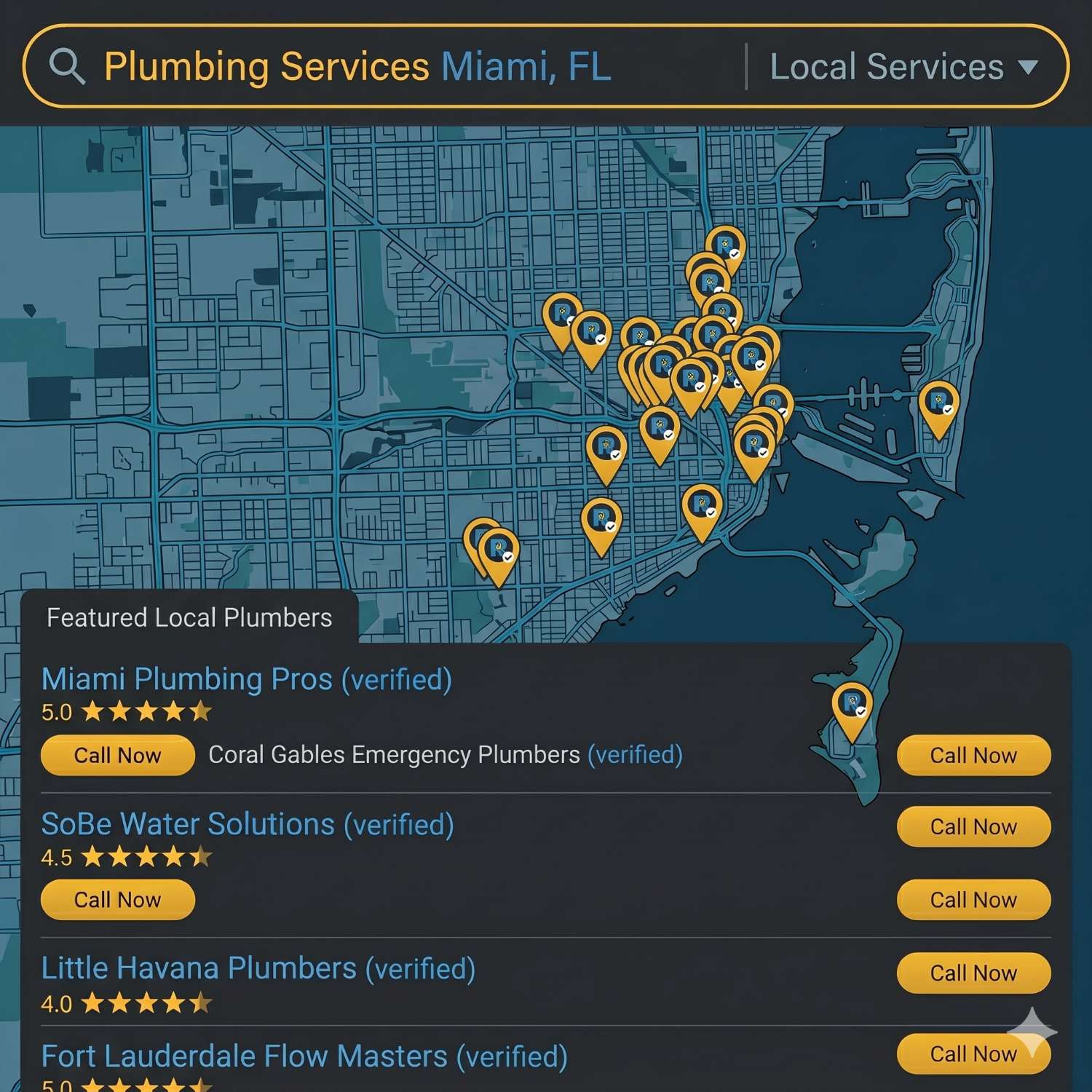
The online marketing landscape for plumbing contractors is fiercely competitive. Every business owner wants to secure a steady stream of high-margin installation and emergency repair jobs, but many find themselves completely stranded on Page 2 of the search results.
A clear example of this can be seen in common search trends: a target keyword phrase like digital marketing for plumbers can pull in over 2,700 monthly impressions, yet businesses sitting back at an average ranking position of 14.5 capture only 3 measly clicks.
Languishing on Page 2 means your business is practically invisible to the thousands of local property owners actively seeking plumbing help. To build a highly profitable plumbing business, you must move past outdated marketing approaches and execute a data-driven strategy designed for immediate lead capture and long-term authority.
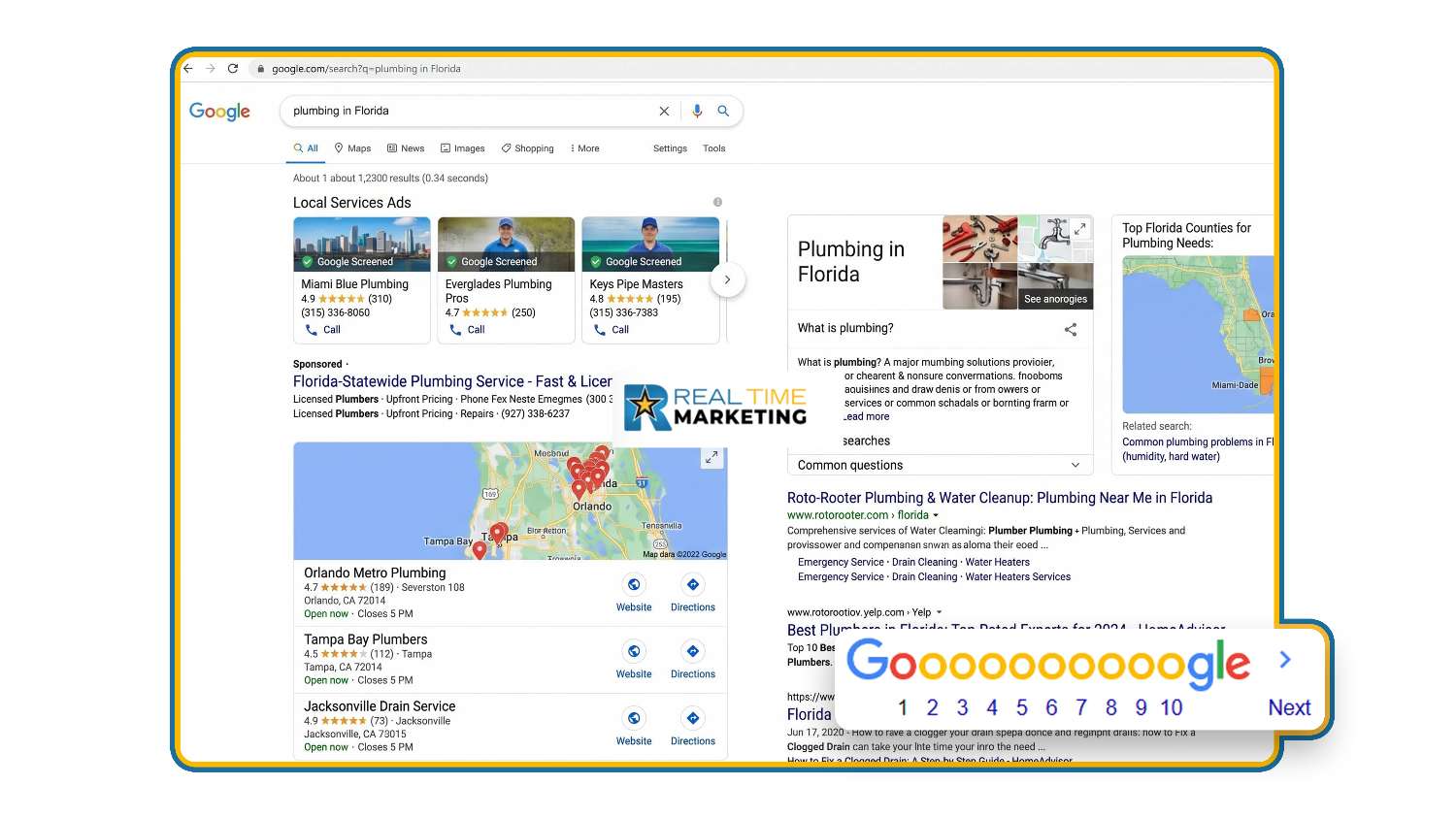
The Paid Strategy: Launching Google LSAs and High-Intent PPC
When a homeowner is dealing with a ruptured water main or a backed-up sewer line, they do not have the patience to read long blog posts or research company histories. They need a certified plumber at their property immediately. To capture these urgent, high-ticket emergency calls, your marketing framework must include an aggressive paid acquisition strategy.
Google Local Services Ads: As we discussed, these pay-per-lead ads place your plumbing business at the very top of Google search screens with an official Google Guaranteed badge. Because you only pay for actual, phone-in leads rather than simple website clicks, LSAs are an incredibly cost-effective tool for maintaining a baseline truck schedule.
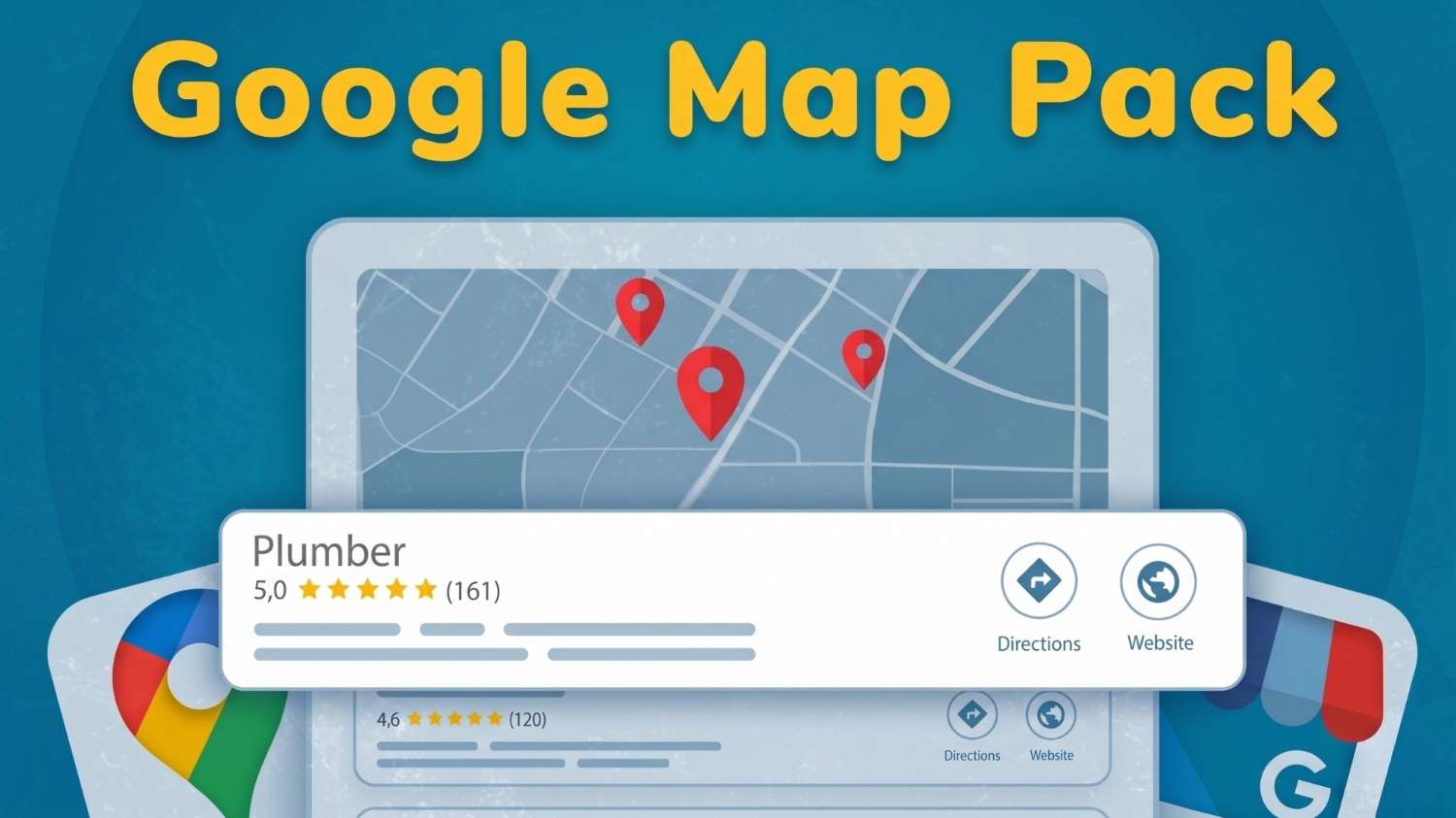
Laser-Targeted Traditional Google PPC: Traditional text ads allow you to bid on highly lucrative commercial and residential keywords that your organic content might take months to rank for. The key to winning at Google PPC is building hyper-specific ad campaigns. If a customer searches for “tankless water heater installation,” your ad copy must speak directly to tankless systems, and the ad link must send them to a dedicated tankless landing page, not your generic homepage.
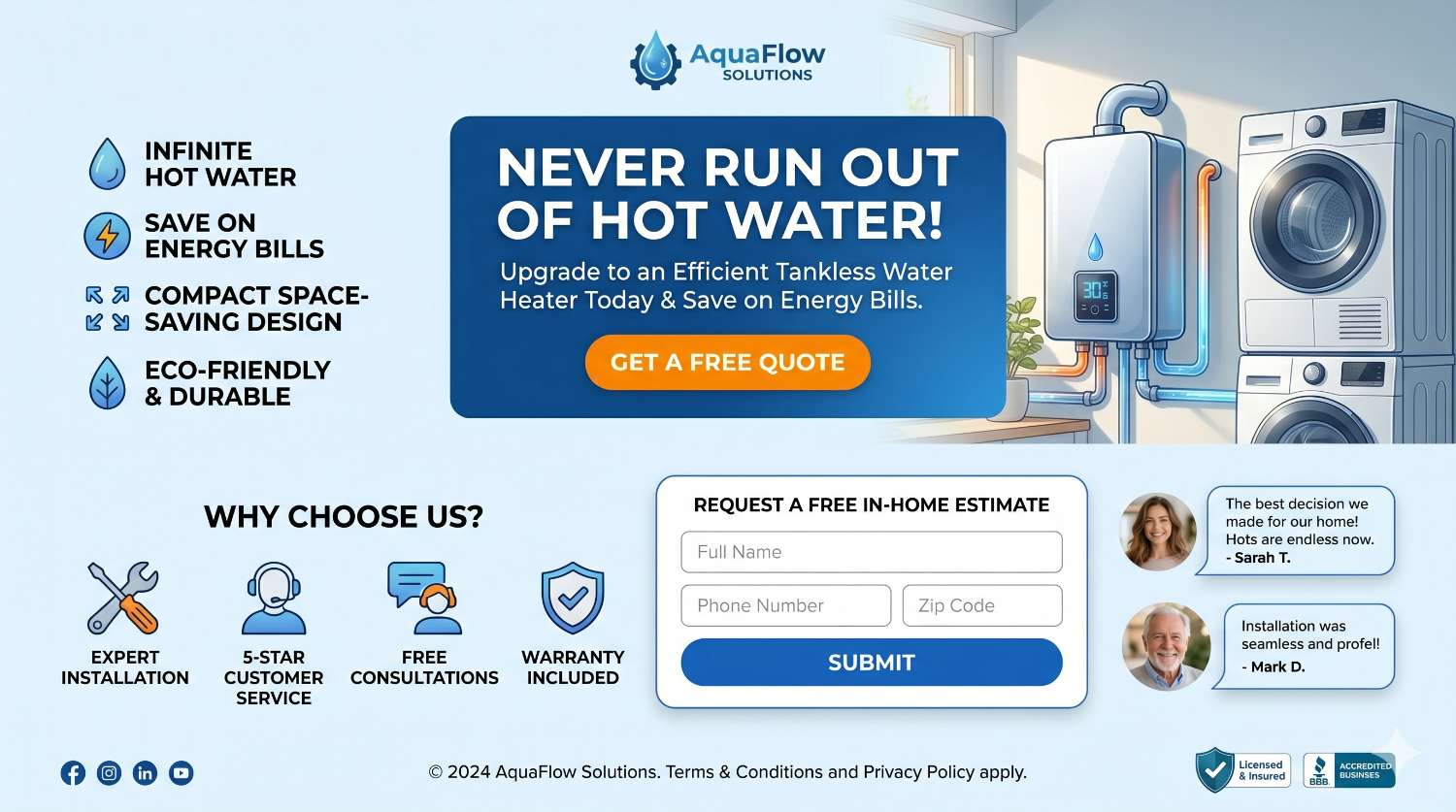
The Organic Foundation: Dominating the Local Map Pack
While paid ads provide immediate volume, your long-term profitability relies on dominating the Google Map Pack. This is the section of the local search results page that displays a map alongside a curated list of three local businesses. Traffic from the Google Map Pack is completely free and boasts exceptionally high conversion rates.
To force your plumbing company into these coveted top three slots, your optimization framework must focus on three core variables:
Exact Categorization: Ensure your primary Google Business Profile category is set explicitly to Plumber or Plumbing Contractor, rather than generic terms like Handyman or Home Improvement.
Hyper-Local Citations: Your business name, physical street address, and primary telephone number must be perfectly identical across every single directory on the web, including Yelp, Angi, the Better Business Bureau, and local chambers of commerce. Conflict in your address data causes Google to lose confidence in your location, suppressing your map rankings.
Proximity Expansion via Content: You cannot physically move your office to every town in your county, but you can build dedicated local service landing pages for every primary zip code you cover. Fill these localized sub-pages with project descriptions, neighborhood customer testimonials, and regional plumbing considerations to prove your geographical reach to search crawlers.
Content Frameworks: Building AI-Ready Plumbing Authority
To ensure your plumbing website continues to capture traffic as search engines transition toward conversational AI, your content must be structured to answer complex consumer questions directly. Modern search engines love step-by-step, actionable content that can be easily crawled and summarized.
For informational queries like “Why does my water heater smell like rotten eggs?”, provide a clear, bulleted troubleshooting guide detailing anode rod corrosion, followed immediately by an emergency repair form. This is a core part of our content marketing strategy.
For investigative queries like “Average cost to repipe a 3-bedroom home”, lay out transparent pricing breakdowns detailing the cost differences between copper and PEX piping. Finally, for immediate home assistance queries like “Emergency main shutoff location guide”, embed a simple 60-second video walkthrough showing homeowners exactly how to locate and close their water valve to prevent flooding.
Tracking Your Marketing ROI
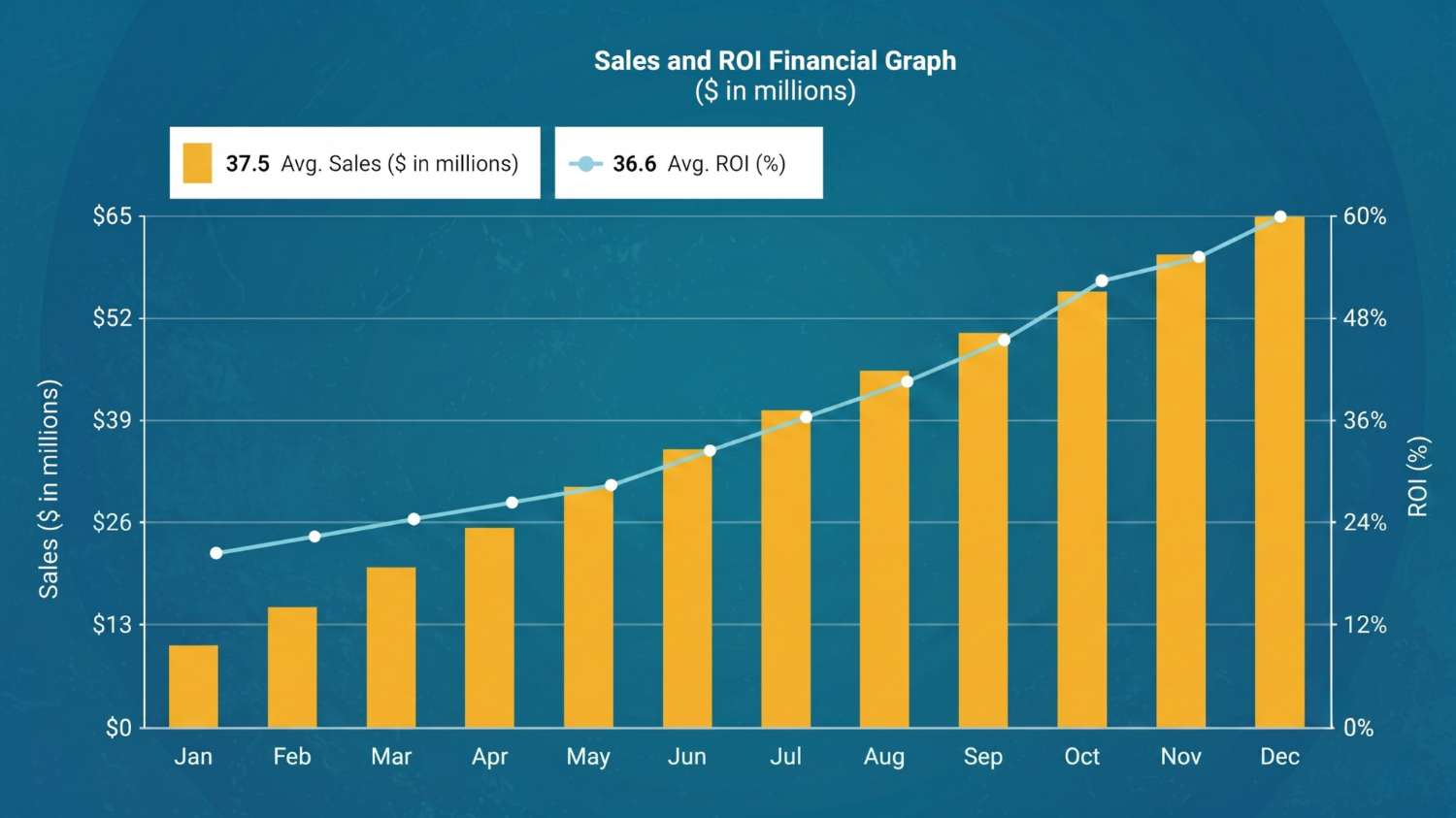
Stop letting digital marketing agencies confuse you with metrics like impressions, page views, or engagement scores. In the plumbing industry, the only metric that matters is closed-loop return on investment.
Your digital marketing infrastructure should connect directly with your operational CRM platform, such as ServiceTitan or Housecall Pro. By linking your web tracking numbers and contact form submissions directly to your booking software, you can trace a clear line from a user’s initial search query to the technician’s completed on-site invoice. If a marketing channel cannot prove it generated actual booked revenue, it does not belong in your strategy.
Frequently Asked Questions
What is closed-loop conversion tracking, and why do plumbing firms need it?
Closed-loop tracking bridges the gap between digital marketing metrics and your trade CRM software. Instead of calculating success by raw website clicks, it maps your digital lead forms and call tracking profiles directly to an invoiced job value generated on-site by your technicians.
Should my plumbing company invest in Facebook Ads or focus exclusively on Google search?
Plumbing needs are typically driven by sudden emergencies, making Google search the most profitable engine for immediate lead acquisition. Facebook marketing operates as a disruption tool and should be deployed down the line for brand awareness campaigns, maintenance updates, and local seasonal discounts.
Why does my plumbing business sit on Page 2 for high-volume keywords?
Page 2 stagnation is usually a sign that your service pages are missing hyper-local authority signals. If your copy uses broad boilerplate text and lacks regional pricing realities, neighborhood project proofs, and clean structured layout tables, search crawlers will leave you buried.
Scale Your Plumbing Operation
The massive search volume surrounding plumbing services proves that there is no shortage of work in your territory. If your trucks aren’t busy, it’s because your business is buried where consumers can’t see it.
Stop settling for invisible Page 2 rankings. Contact Real Time Marketing today to implement a comprehensive, industry-specific digital marketing system built to capture the market, fill your dispatch boards, and scale your business.