

Apr 18, 2026 / Courtlyn Saxby
The Speed-to-Lead Framework: Why Slow Response Times Are Burning Your Ad Budget
Home /
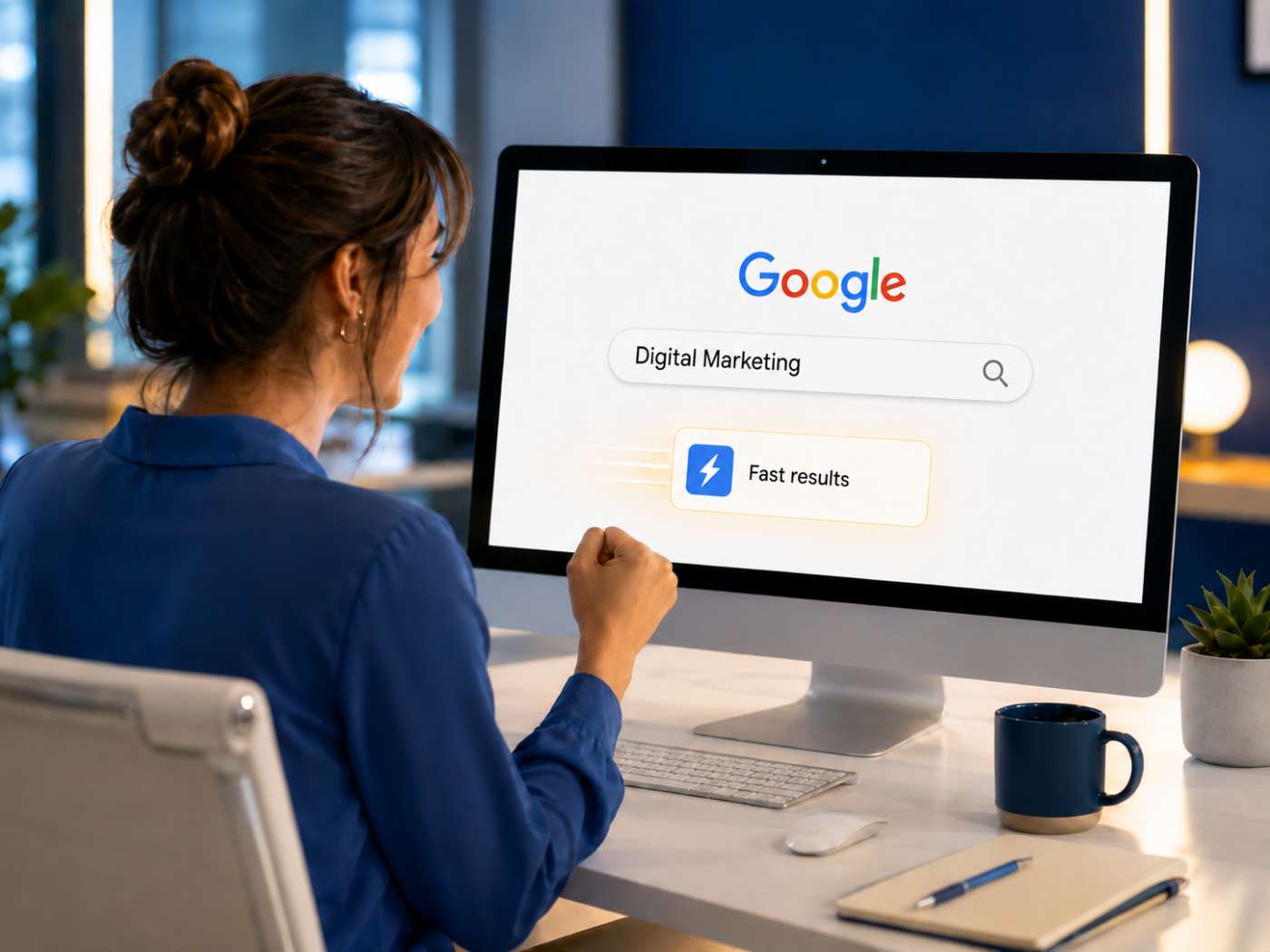
You can run the most mathematically perfect digital marketing campaign in your market, maintain a flawless five-star reputation online, and hold the absolute top positions across Google’s paid and organic networks. Yet, if your internal intake system is slow to respond, you are actively throwing your marketing capital away.
In the modern local service economy, consumer patience has shrunk to zero. When a property owner experiences a burst pipe, a dying air conditioning system, or a flickering electrical panel, they are not looking to build a relationship; they are looking for a truck in their driveway.
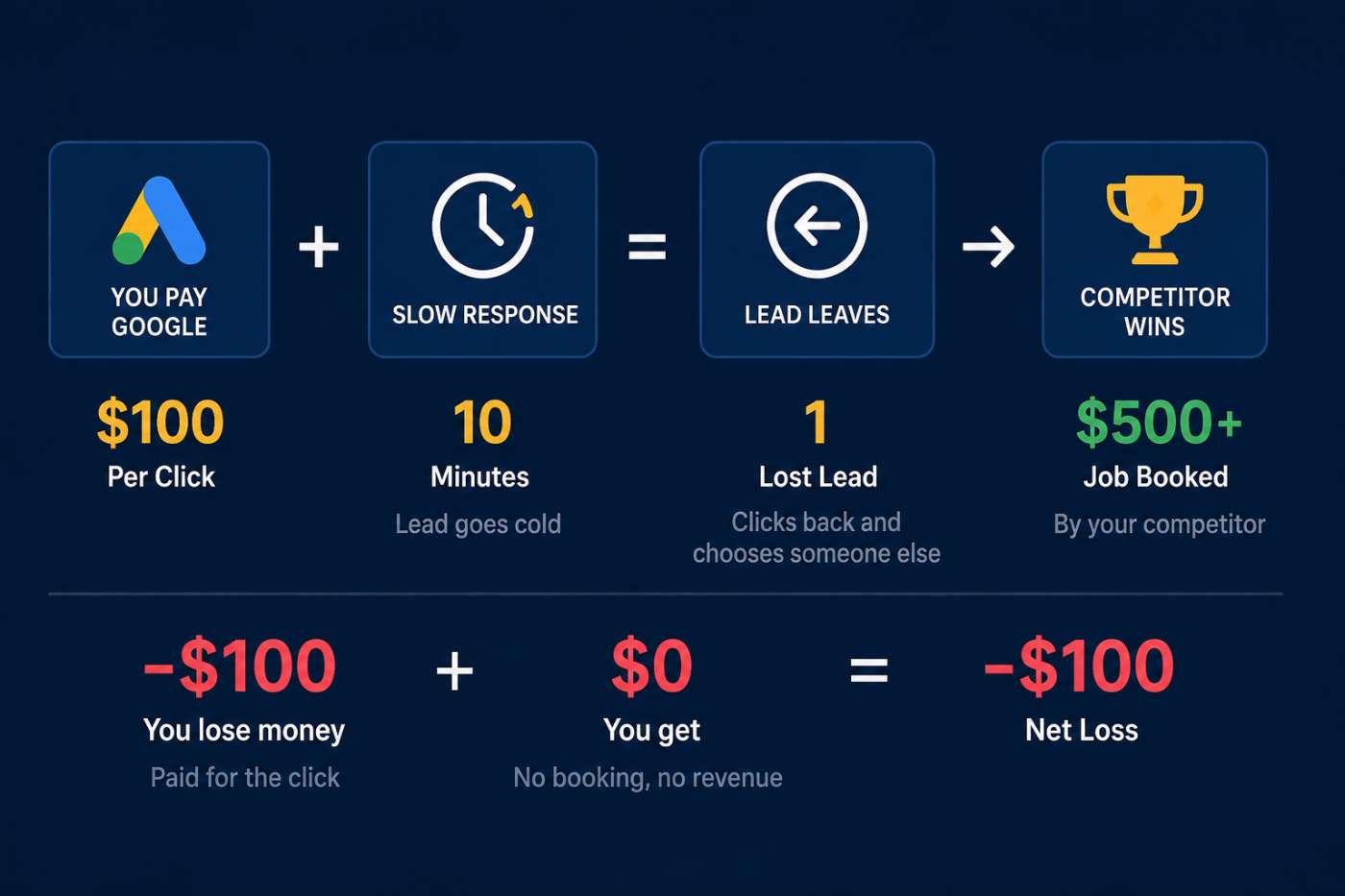
Data across thousands of home service campaigns reveals a brutal reality: the business that responds first wins the job nearly eighty percent of the time. If your office team takes ten minutes to reply to an incoming form submission, or if you regularly let live ad phone calls ring through to a generic digital receptionist, you aren’t just missing out on projects; you are directly funding your competitors’ growth using your own ad spend.
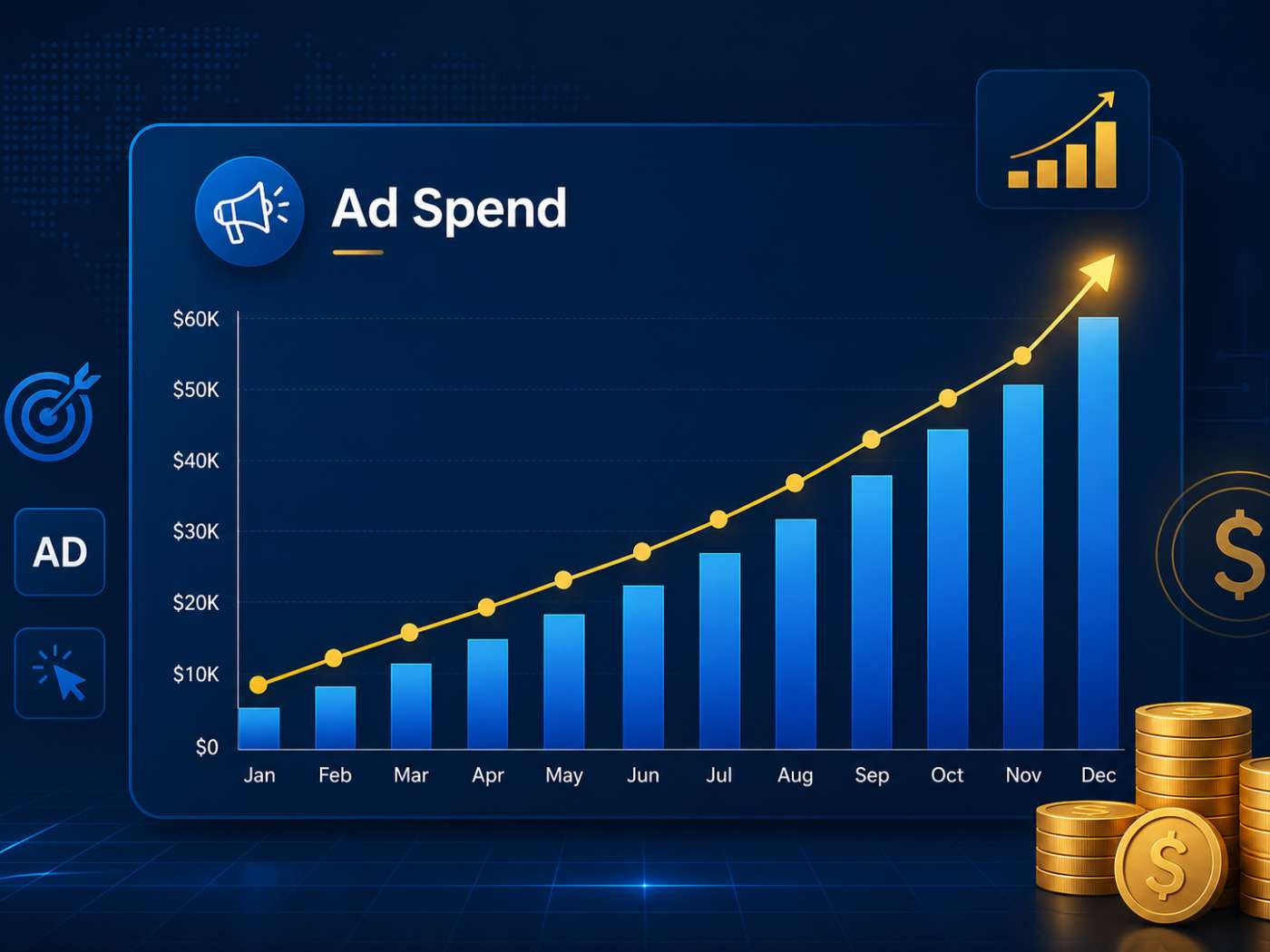
The Mathematics of Frictionless Booking
To understand the financial damage of delayed communication, you must evaluate the lifecycle of a modern paid lead. When a homeowner clicks a Local Services Ads or a high-intent Google PPC link, they are actively entering a high-intent transactional state. They expect immediate verification that their emergency is being handled.
If that lead submits a quote request form and sits back to wait, a hidden countdown timer begins. Studies evaluating consumer response behavior show that your chances of successfully contacting and booking a web lead drop by more than eight hundred percent if your office waits longer than five minutes to call them back.
By the time ten minutes pass, the lead is essentially dead. Why? Because while your intake team was finishing a task or routing an email, the consumer simply hit the back button on their mobile browser, clicked the next contractor listing down on Google, and booked the appointment with a competitor who answered the phone on the second ring. You pay Google full price for that initial click, but your competitor cashes the invoice.
Algorithmic Penalties: How Google Tracks Your Office Responsiveness
The damage of slow response speeds isn’t confined to a single missed appointment. Modern local advertising networks, particularly Google Local Services Ads, track your operational responsiveness metrics and feed them directly into their core ranking algorithms.
Google’s pay-per-lead system monitors several explicit user communication touchpoints:
- How many tracking calls go unanswered or ring through to voicemail during your stated operating hours.
- The exact average duration it takes your team to respond to direct chat or text inquiries inside the LSA platform.
- The frequency with which your office declines or ignores inbound booking requests.
If your team routinely drops the ball on incoming communications, Google’s algorithm draws a swift conclusion: your business provides a poor user experience. To protect its own reputation as a quality service platform, Google will systematically lower your ad rank, bury your profile beneath your competitors, and increase your cost-per-lead. Conversely, businesses that demonstrate lightning-fast response times are rewarded with premium display slots and lower overall client acquisition costs.
Rebuilding Your Lead Intake Engine for Instant Conversions
Fixing a speed-to-lead problem requires moving past outdated manual processes and implementing automated, systemic communication workflows.
Integrate Real-Time Speed-to-Lead Software
Stop allowing web form notifications to sit unread in a generic info email inbox. Your website forms must be hardwired into automated lead response software that triggers an immediate, instantaneous phone bridge or SMS conversation the moment a prospect hits the submit button. When your system automatically calls your office phone and instantly patches your dispatcher through to the client within thirty seconds of their submission, you shock the consumer with your efficiency and lock in the booking before they can search for another provider.
Outsource After-Hours Dispatching
Emergencies do not follow a standard business schedule. A massive percentage of high-margin trade leads are generated during evenings, weekends, and holiday breaks. Letting these high-value calls roll over to an automated answering service that promises a call back tomorrow morning is a recipe for financial bleeding. Partner with a dedicated, live-answer trade dispatch service that has direct access to your booking calendar. Every call must be answered by a live human capable of booking the diagnostic fee and locking the job into your field schedule.
Leverage Two-Way SMS Channels
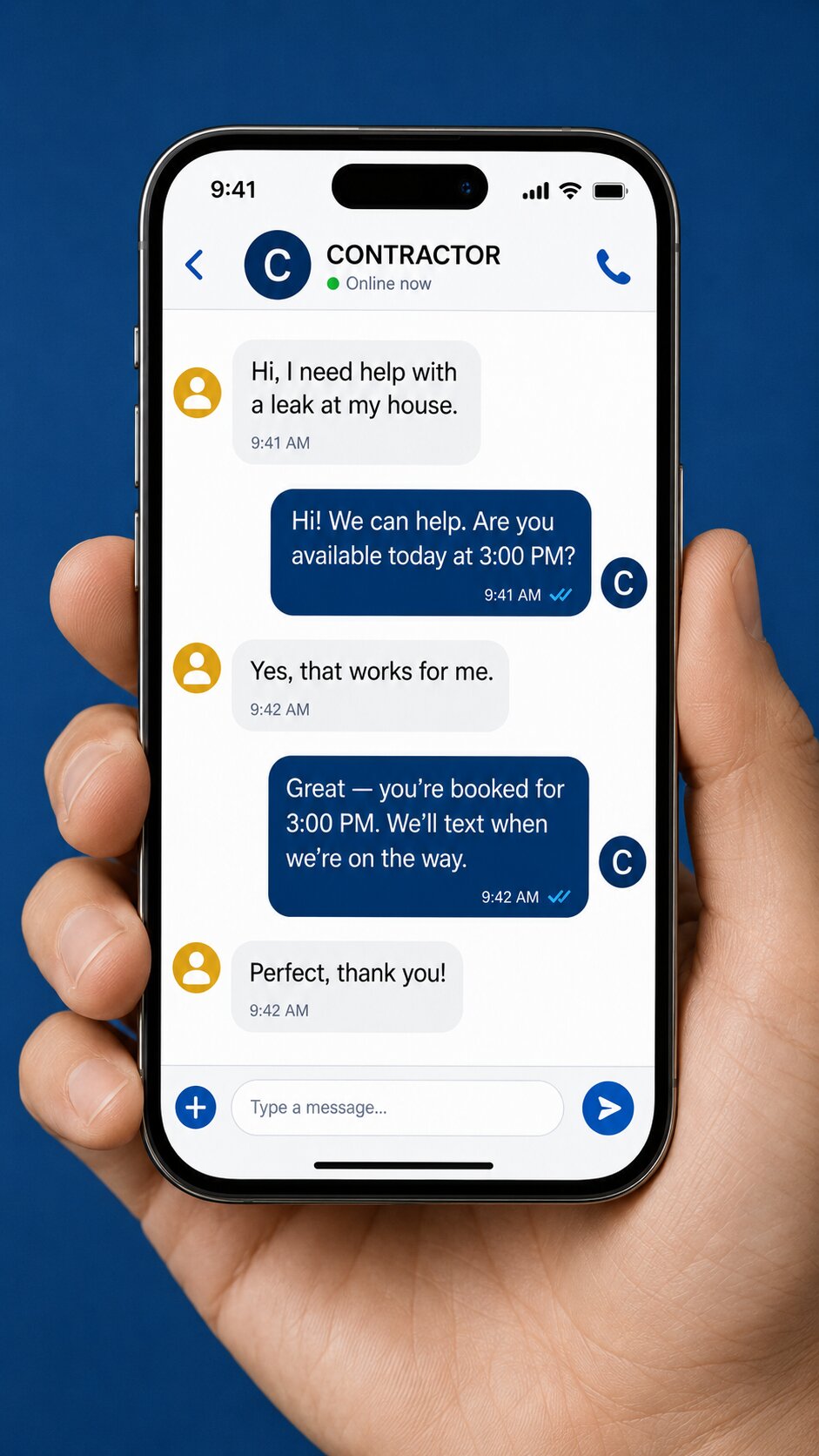
A significant portion of modern consumers prefer text messaging over standard phone conversations. If your marketing dashboard records a lead but your team only attempts to call them back, you will often find yourself ignored by spam-blocking mobile filters. Implementing immediate, automated two-way text messaging workflows ensures you meet the consumer exactly where they are comfortable, dramatically accelerating your booking rates.
Frequently Asked Questions
What is considered an acceptable response time for a web form lead?
In the home services sector, any response time stretching past five minutes is considered a failing grade. To maximize your conversion rates and secure the job, your team should aim to initiate an outbound phone call or direct SMS text response within sixty seconds of form submission.
Can I pause my Google LSAs automatically outside of normal business hours?
Yes. You can customize your active ad schedule within the platform dashboard. If your office lacks the capacity to answer live incoming emergency calls during the night, it is highly recommended to pause your ad distribution to prevent algorithmic penalties from unanswered rings.
How does slow response speed directly impact my traditional Google Ads quality score?
While slow response times don’t directly alter your technical PPC text ad metrics, they drive up your bounce rates on your landing pages. When users land on your site, try to reach out, experience a delayed response, and immediately return to the search results page, Google notes the poor engagement signal and raises your click costs.
Stop Burning Your Marketing Capital
Driving traffic to your business is only half the battle. If your digital presence is built to generate visibility but your internal operations fail to convert those opportunities instantly, your marketing budget will continue to bleed out. Our comprehensive solutions include Search Engine Optimization, website design, content marketing, and email marketing.
Stop letting slow response times give your local competitors the upper hand. Contact Real Time Marketing today to evaluate your current speed-to-lead workflow. We will help you integrate advanced tracking infrastructure and automated booking software to ensure every single ad dollar converts into a live, high-paying service call.