

Mar 31, 2026 / Courtlyn Saxby
Google’s AI Overviews Are Killing Organic Click Rates; Here’s What to Do
Home /
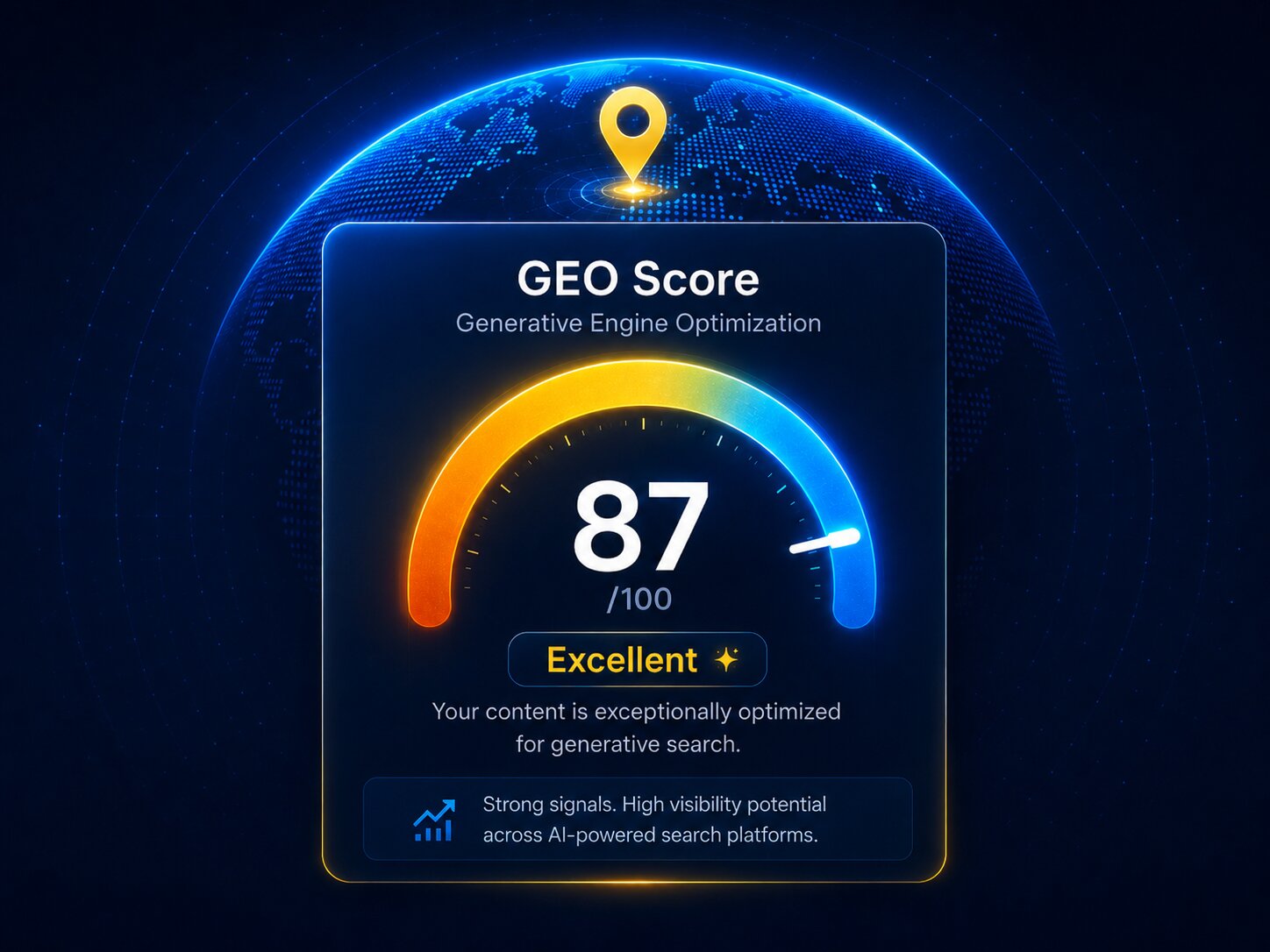
The local digital marketing ecosystem is currently undergoing its most disruptive transformation since the invention of the smartphone. For years, the path to online business growth was clear: optimize your website, climb to the top of Google’s organic results, and watch the traffic turn into revenue.
Today, that direct path is broken. Business owners across the country are noticing an alarming trend in their analytics: their keyword rankings are holding perfectly steady, yet their organic click-through rates and website traffic are dropping fast.
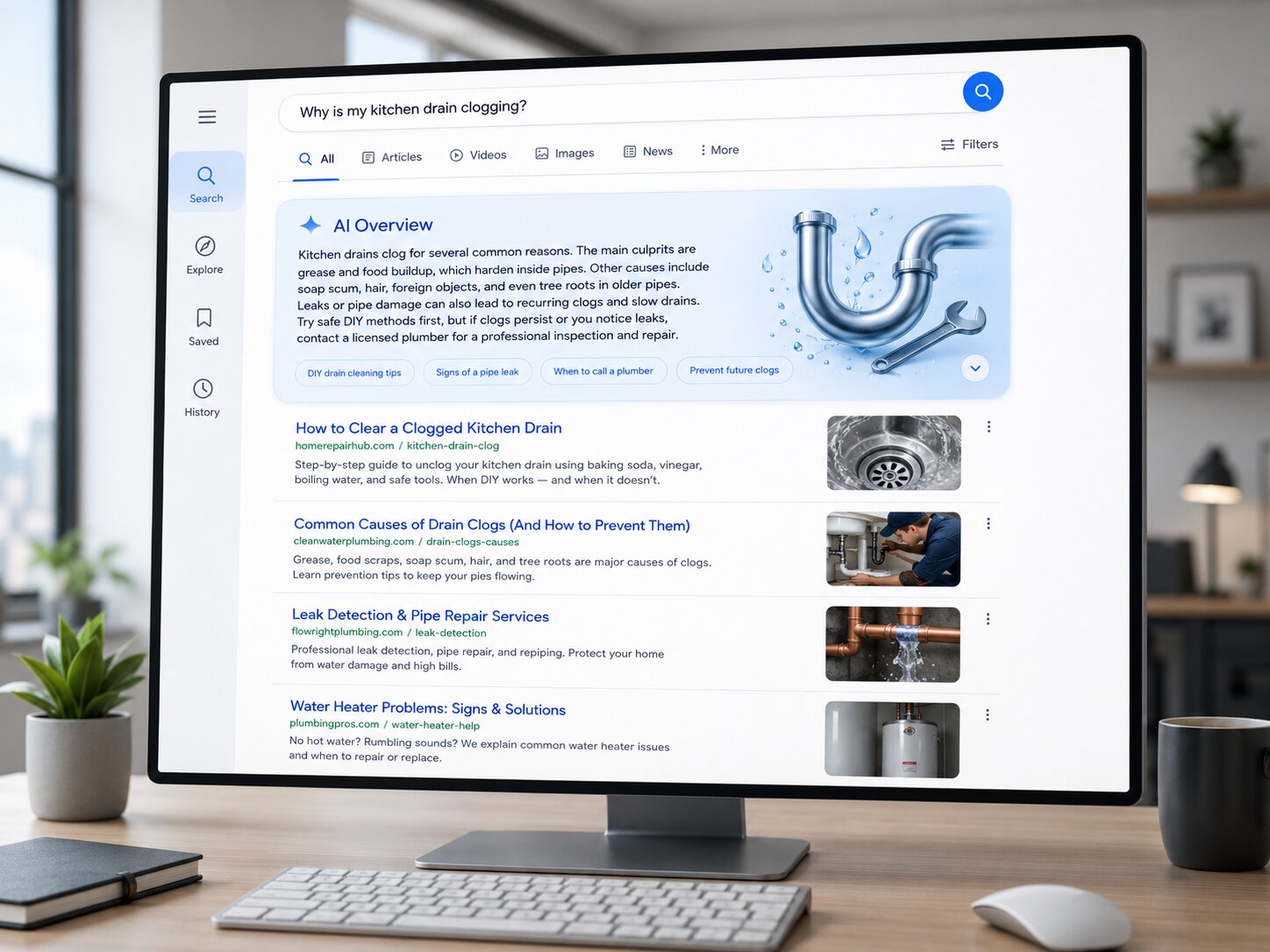
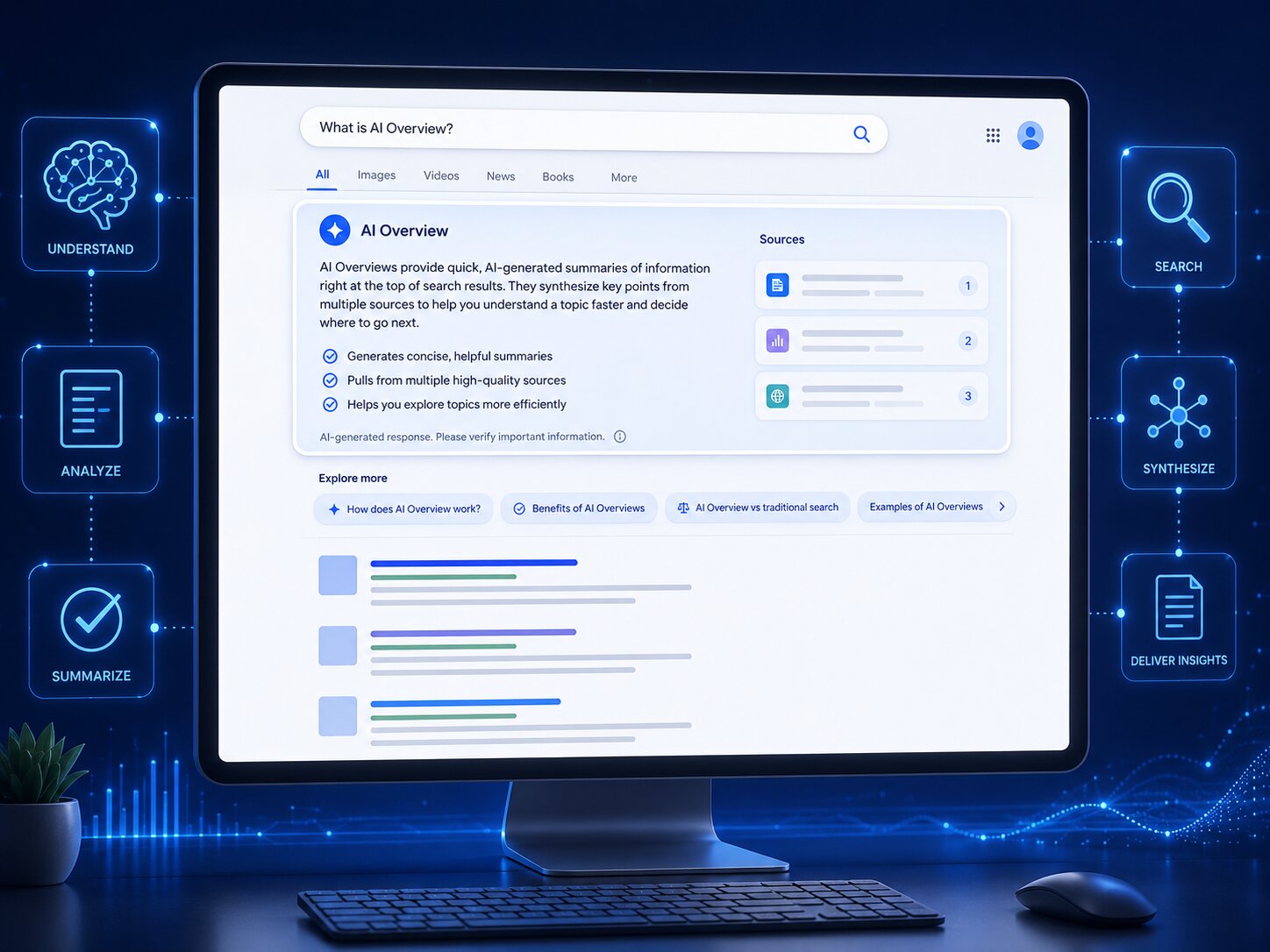
This isn’t an anomaly; it is the direct result of Google AI Overviews. Google’s conversational AI now routinely intercepts user search intent at the very top of the page, synthesizing answers directly so consumers never have to click through to an external link. If your service business relies on traditional search traffic to keep its appointment calendars full, you cannot afford to wait and see how this artificial intelligence shift plays out. You need a proactive strategy to adapt your digital footprint and survive the zero-click era.
Understanding the Zero-Click Threat
To combat the drop-off in organic clicks, you must first understand the structural layout of a modern search results page. When a consumer searches for an industry service or an answer to an urgent home maintenance problem, the current interface layout completely alters traditional user behavior.
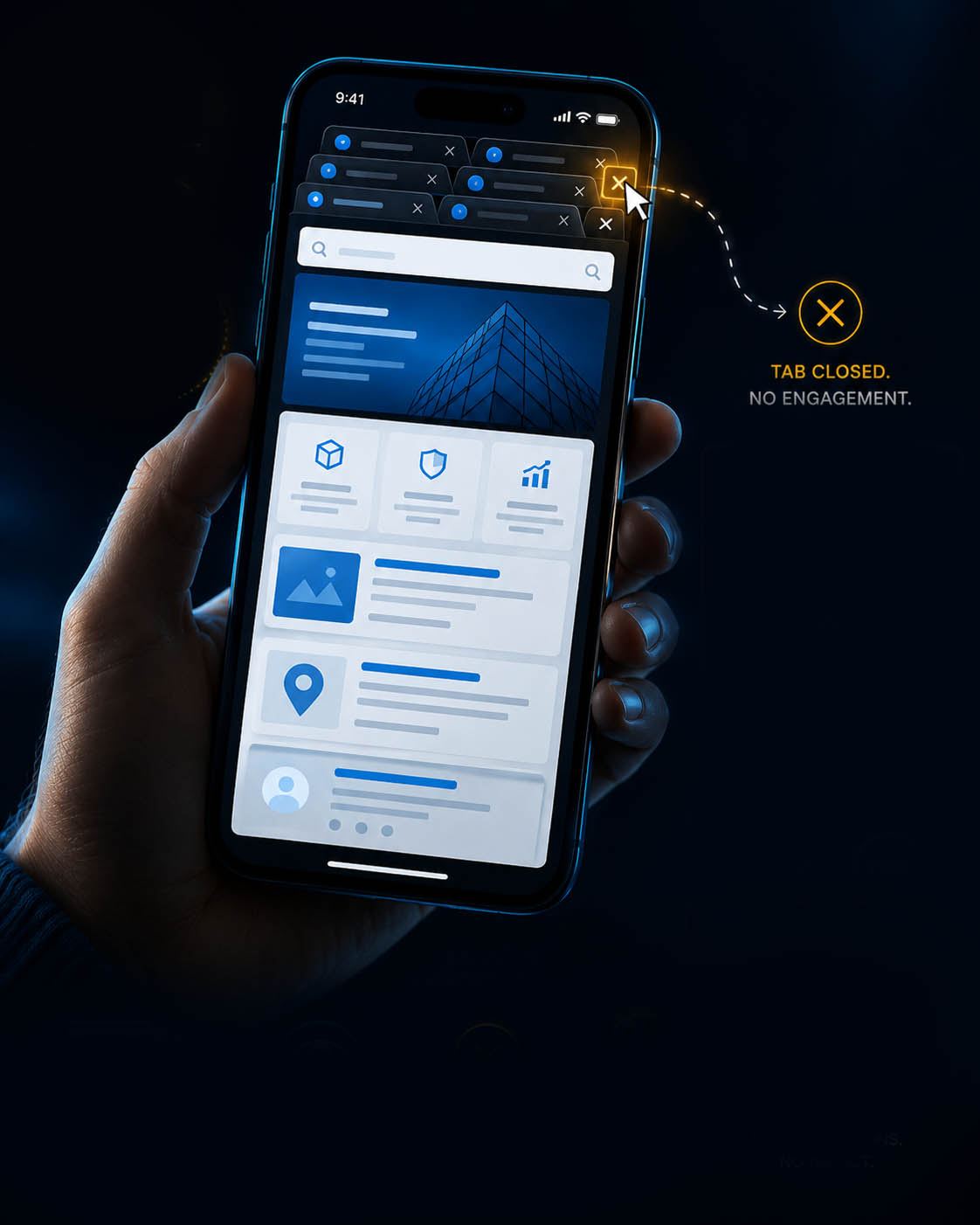
Because the AI box occupies almost all the initial screen space on a mobile device, the user gets a comprehensive answer instantly. This structural change shifts consumer behavior away from browsing multiple websites toward passive consumption. The user absorbs the information, closes the browser tab, and leaves your business with an impression mark but zero actual web engagement.
The Evolution from SEO to Generative Engine Optimization (GEO)
To maintain visibility in this new environment, your digital strategy must evolve from traditional Search Engine Optimization (SEO) into Generative Engine Optimization (GEO). Traditional SEO focuses on optimizing your site for keyword density, backlink volume, and technical site architecture so a search bot indexes your link. GEO, on the other hand, focuses on optimizing your company’s data footprint so AI models trust your information enough to pull it into the AI summary box and cite you as an official source link.
AI algorithms prioritize clear, authoritative data that can be quickly processed without filtering through marketing fluff. To align your website with these generative requirements, your content must possess specific structural qualities:
Uncompromising Technical Directness: Eliminate long, drawn-out introductory paragraphs. If a page is designed to answer a specific question, state the answer clearly, definitively, and immediately in the very first paragraph.
Scannable Document Infrastructure: Utilize highly organized, bulleted data points, structured comparison text blocks, and explicit subheadings. Avoid dense walls of prose.
First-Party Proprietary Insights: AI models are trained on scraped internet data; they routinely ignore websites that simply rephrase existing information. To stand out, fill your pages with unique, first-party data, real-world customer case studies, and distinct quotes from your internal service experts.

Diversifying Your Local Customer Acquisition Channels
Relying entirely on standard organic text results is no longer a viable single-point-of-failure business strategy. To insulate your business against ongoing search engine interface changes, you must diversify your local digital presence across multiple high-intent channels.
Maximize Your Map Pack Infrastructure: Google’s AI engine frequently references the Local Map Pack when answering location-specific queries. Maintaining a flawless Google Business Profile, complete with dozens of recent customer reviews, localized service tags, and regular updates, ensures your business remains the default choice when the AI recommends local service providers.
Invest in Short-Form Educational Video: AI engines can summarize text, but they cannot replicate the face-to-face trust built through video content. Producing simple, helpful, short-form video content (such as troubleshooting guides, project walkthroughs, and expert tips) and embedding them on video platforms and your website targets a completely different search vector that AI cannot easily replace.
Capture Intent with Local Services Ads: Because LSAs sit at the absolute apex of the search page, even higher than the AI Overview box, they remain largely insulated from zero-click behavioral drops. Combining a strong GEO strategy with targeted paid leads ensures you capture customers at every stage of the search funnel.
Frequently Asked Questions
Does Generative Engine Optimization mean my old SEO rankings don’t matter anymore?
Traditional rankings still form the framework that AI search layers rely on to source their facts. However, standard SEO is no longer the final step. To survive, you must supplement your keyword strategy with GEO formatting to prevent Google’s answer blocks from stealing all your user clicks.
How does video marketing protect a local brand from losing traffic to artificial intelligence?
AI engines can summarize text paragraphs, but they cannot replicate human expertise or show live footage of a mechanical repair. Embedding high-quality troubleshooting video assets directly on your web pages captures direct consumer trust and voice searches that AI answers cannot easily substitute.
What structural format should I use to help AI crawlers source my website text?
Structure your service definitions and troubleshooting steps using exact question headings followed instantly by a bolded direct answer. Follow that answer with single-point bullet files or structured side-by-side descriptive blocks to match the scraping habits of modern large language models.
Dominate the New AI Landscape
The shift toward AI-driven search results isn’t a temporary trend; it is the permanent direction of digital marketing. Business owners who refuse to modify their approach will continue to watch their click-through rates decline, while forward-thinking companies will successfully transition into the AI spotlight.
Don’t let your hard-earned digital presence disappear beneath an AI overview block. Contact Real Time Marketing today to discover how our specialized Generative Engine Optimization strategies can modernize your digital footprint, secure your search citations, and keep your business ahead of the curve.